
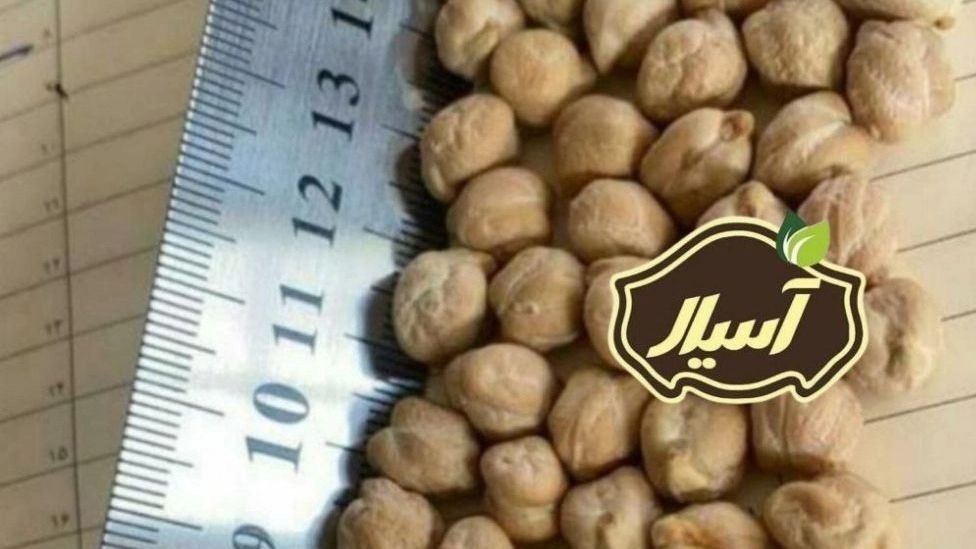
What is the chickpea?
Chickpea or pea (scientific name: Cicer arietinum) including edible seeds And it is in the category of legumes and is one of the oldest with an age of nearly 7500 years. The chickpea plant is an annual plant and a short bush whose height is about 30 cm. The stem of the pea plant is covered with glandular fibers and has thin branches with small leaves. The leaves of this plant consist of a combination of 13 to 17 small and toothed leaflets and have white flowers. peas, peas and lentils every other year And they are cultivated in rotation with wheat and barley in an agricultural field. Rotational cultivation of these vegetable seeds strengthens and renews nitrogen in the soil. The chickpea plant is generally cultivated in the borderlands of Mesopotamia and the Eastern Mediterranean and From these places, it has spread to India and other parts of East Asia. In Iran, in the foothills of Zagros and especially in Kermanshah province, there is the largest cultivation of chickpeas.
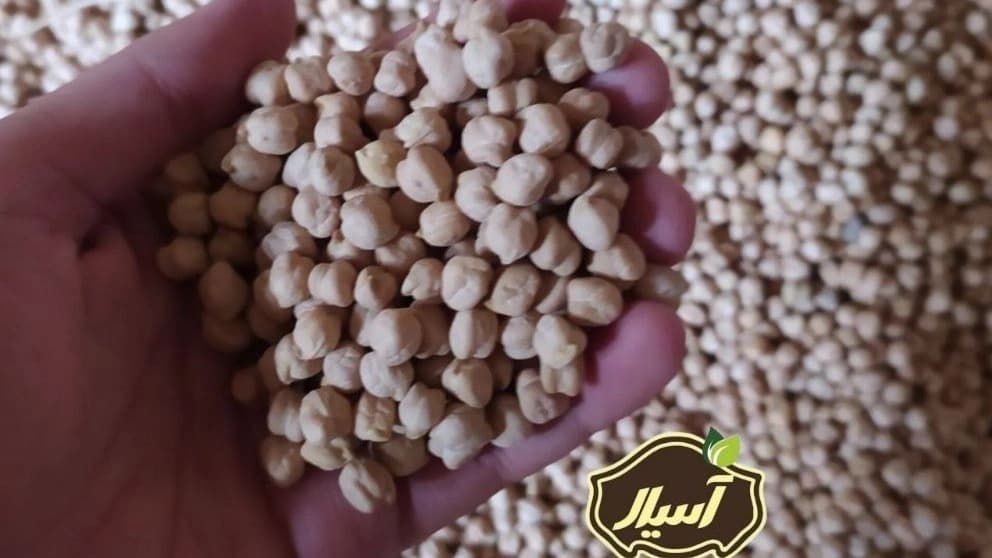
Chickpea compounds
Pea is one of the legumes with the most nutritious compounds, which is very important to have a healthy diet. There are various types of antioxidants, fiber, carbohydrates and healthy fats in chickpeas. Nutrients such as oxalic acid, acetic acid, malic acid and various mineral salts such as calcium, zinc, phosphorus, iron, potassium, magnesium and rare minerals such as boron, lithium and copper are also found.
In the structural composition of peas, there are various vitamins such as vitamin A, vitamin B family such as vitamin B1, vitamin B2, vitamin B3, vitamin B6 and vitamin C. The combination of all these nutrients together and in one edible grain helps maintain and provide maximum health of the human body. Also, in terms of traditional medicine, chickpeas have a hot and dry nature.
Nutritional Value of Chickpea
A cup of chickpeas (approximately 100 grams) of this vegetable seed has the following nutritional value:
• Energy: 269 calories
• Dietary fiber: 5 grams
• Carbohydrates: 17 grams
• Protein: 5 grams
• Fat: 2 grams
• Manganese: 84% of the daily requirement
• Folic acid: 71% of the daily requirement
• Copper: 29% of the daily requirement
• Phosphorus: 28% of the daily requirement
• Iron: 26% of the daily requirement
• Zinc: 17% of the daily requirement
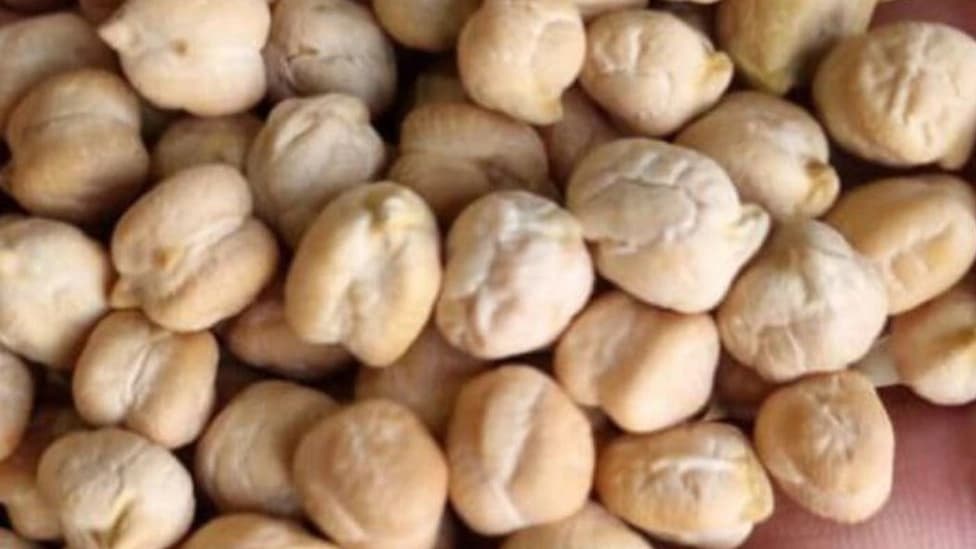
Calories in Chickpea Types
Pea has a lot of calories. People who are looking for a weight loss diet generally use low calorie foods. But chickpeas have high amounts of fiber, protein and minerals, regardless of their high calories, and they have very low fat content. Therefore, it can be a suitable choice for healthy nutritional diets. Various studies have shown that consumption of legumes can help in weight loss. As a result, it is recommended to consume all kinds of edible seeds in fresh, canned or dry form for different diets.
Of course, beans in different states have different calories, which are checked below the amount of calories in different types of peas.
• One cup of boiled chickpeas: has 269 calories
• One cup of canned chickpeas: 286 calories
• One cup of raw chickpeas: contains 728 calories
Penal and Medicinal Properties of Chickpea to maintain body health
Help to reduce bad cholesterol in the blood
• Help reduce the risk of cardiovascular diseases
• Effective for proper sleep regulation
• Helping to maintain bone health and strengthening
• Help prevent osteoporosis
• Effective for regulating blood levels
• Help control diabetes
• Effective for the proper development of the fetal brain
• Help to lose weight and lose weight
• Effective for reducing blood pressure
• Help eliminate toxins from the body
• Effective for cleansing the liver
• Help prevent heart palpitations
• Help prevent headaches and dizziness
• Help prevent kidney stones
• Effective for the treatment of fungal infections
• Help strengthen the immune system
• Help prevent breast cancer
• Effective for reducing menopausal symptoms
• Help to treat jaundice
• Effective for providing daily energy needs
• Effective to reduce the risk of gastrointestinal cancer
• Help prevent the growth of cancerous tumors
• Help to strengthen vision health
• Effective to regulate and balance hormones
• Help prevent inflammation in the body
• Effective for increasing sexual power in men
• Help to get rid of stomach worms
• Effective for chest and lung pain relief
• Effective for healing purulent wounds
• Effective for toothache relief
• Effective for headache relief
• Effective to balance the PH level of the body
• Effective for providing iron needed by the body and preventing anemia
pea properties to maintain the beauty of the skin
Help to reduce wrinkles
• Effective for skin exfoliation
• Help to maintain the brightness and shine of the skin
• Effective as a natural cleanser
• Help to rejuvenate the skin
• Effective for the treatment of white spots caused by leukoderma
• Help to remove unwanted facial hair
pea properties to maintain hair beauty
Help increase hair growth
• Help increase blood circulation in the scalp
• Helps to treat dandruff
• Effective to prevent hair loss
• Help prevent hair graying