
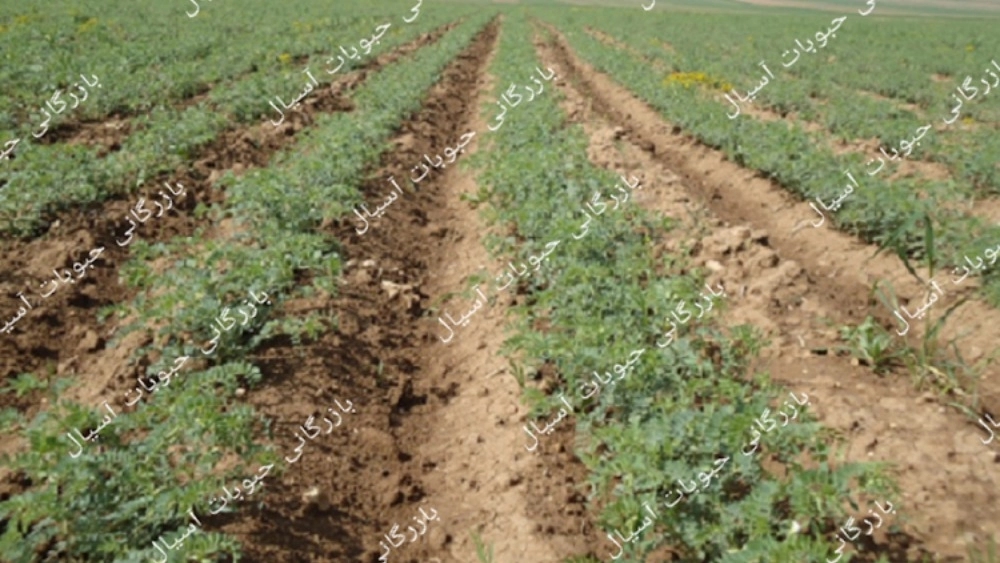
Cultivation of long-term dry season chickpea seeds is increasing among farmers for several reasons. Mechanized cultivation and harvesting is one of the factors to encourage farmers for autumn crops. In this article, we are trying to provide explanations about the characteristics, cultivars, and how to plant and harvest the long leg chickpea seeds; We hope it will be welcomed by you dear farmers.
Properties and properties of long dry chickpea seed
As it is clear from the name of this seed, its cultivation is dry and does not need irrigation. But for this product, unlike regular or local pea seeds, it is planted in the fall season. The dry long stem pea seed is resistant to drought and by taking advantage of the rains of autumn, winter and spring, it provides the water it needs.
The long dry stem pea seed is resistant to lightning and cold It is up to minus 22 degrees. The plant of this type of seed has a long base and grows up to about 70-80 cm, which can be harvested using a campaign.
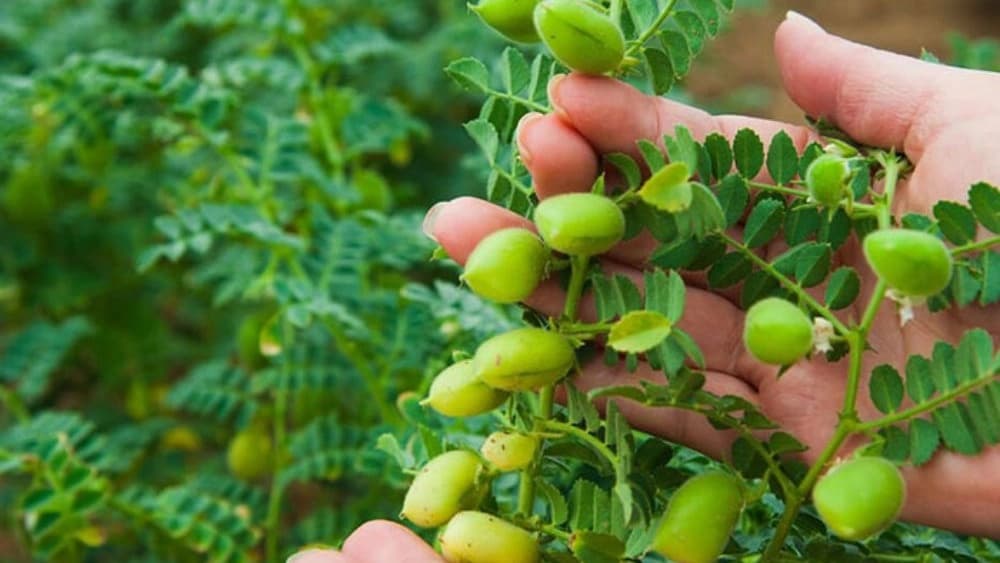
The number of pods of chickpeas in the plant of tall chickpeas is more than that of common peas, this feature makes the crop harvest per hectare suitable for normal chickpea cultivation. On average, the harvest of long leg peas per hectare is more than one ton, while local chickpeas are harvested at the best of 400 to 500 kilos per hectare. It is done accurately and by observing the distance between the rows and the depth of planting chickpea seeds, the growth of the seed will be one hand and the least weed growth.
The seed is light in color and some cultivars Peas have long stems, large seeds, which are very marketable. Among the other features of long leg chickpeas, the following can be mentioned:
1_ It has more protein than local chickpeas
2_ It is quick-cooking and cooks in the shortest time
3_ It has a large variety of sizes that are used for all foods
4_ It is resistant to chickpea diseases
5_ Harvesting of this product starts at the end of June and can be planted prepared for the second crop in summer.
Dimme
In recent years, the long stem pea seeds have attracted the attention of scientists and scholars, and the good acceptance of the long stem pea cultivation by farmers has led to the production of many varieties of this type of seeds.< /p>
The general characteristics of these seeds are similar. They are cultivated in the fall and in the dry season. They are resistant to chickpea diseases. They have a long base and are harvested by campaign.
But their difference is in the size of peas and color. Some of the long base peas are small in size and in the best growing conditions, their size does not exceed 6 to 5 mm, such as Shirazi peas. Some others are medium in size and up to 7 to 8 They also grow millimeters. Like Adel and Jam chickpeas, some others have large seeds and 9 and sometimes 10 mm size can be seen in them, such as Mansour chickpeas, Saeed chickpeas, Goksu chickpeas, the color of autumn chickpeas. or the long stem is light cream, but some are also yellow in color.
In total, the dry long stem chickpea seed varieties include:
Mansour chickpea
Adel chickpea.
p>Ata chickpeasSaid chickpeas
Saral chickpeas
Some of these chickpeas are suitable for temperate and semi-temperate regions, and some others are suitable for cold regions. For detailed information on the planting time and type of dry long-term chickpea seeds in your desired area, contact Asial's bean trading consultants.
Time of cultivating and harvesting long dry chickpeas
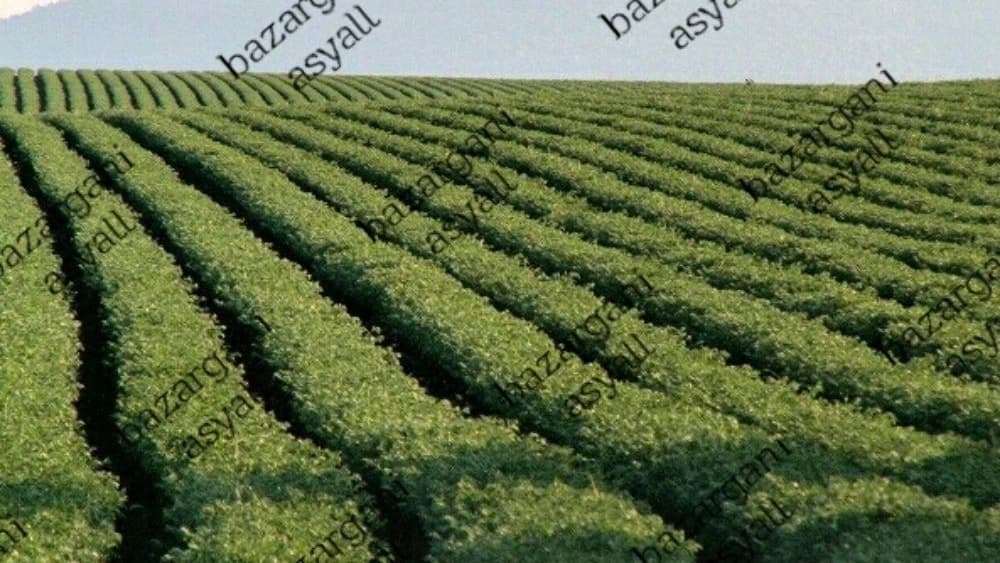
Long-stemmed peas are also known as autumn peas because the planting time of long-stemmed peas begins in mid-autumn and its harvest takes place at the end of June. Of course, the cultivation time varies slightly in different regions, for example, in cities with very cold climates, chickpea cultivation is postponed to early autumn or early spring.
But in cities with moderate climates That is, relatively hot summers and not so cold winters, the cultivation of long-season chickpea seeds is done in mid-autumn, which is called autumn cultivation. If there is no rain, the cultivation of chickpeas can be postponed until the beginning of winter. This type of cultivation is also called waiting cultivation. If you are one of those farmers who have never used long-season chickpea seeds, it is better to consult with consultants and experts in this field.
Asiaal's bean trade experts provide you with complete explanations for the exact time of planting long-term dry season chickpea seeds with different weather conditions, as well as to deal with various chickpea diseases and its harvesting time, and always, dear farmers They provide guidance for picking a sample product.
Price
The price of dry long-term chickpea seeds varies according to the size of the chickpea. Large peas have a higher price than small peas. The small chickpeas in the market are Adel chickpeas, Jam chickpeas, etc., which are suitable for making falafel and other Meccan foods that do not require large chickpeas.
The price of long leg pea seed and even edible pea is determined by the pea sellers' union. In the last few years, due to the events that happen in the currency market, it has a direct relationship on the pricing of chickpeas. In addition to currency fluctuations in the market, other factors cause changes in the price of chickpea seeds
climate conditions, drought
the amount of production in chickpea cultivation areas
exports and The import of chickpeas
You can contact Asial collection through the following communication methods: +989926283081 WhatsApp, Telegram, Facebook /p>