
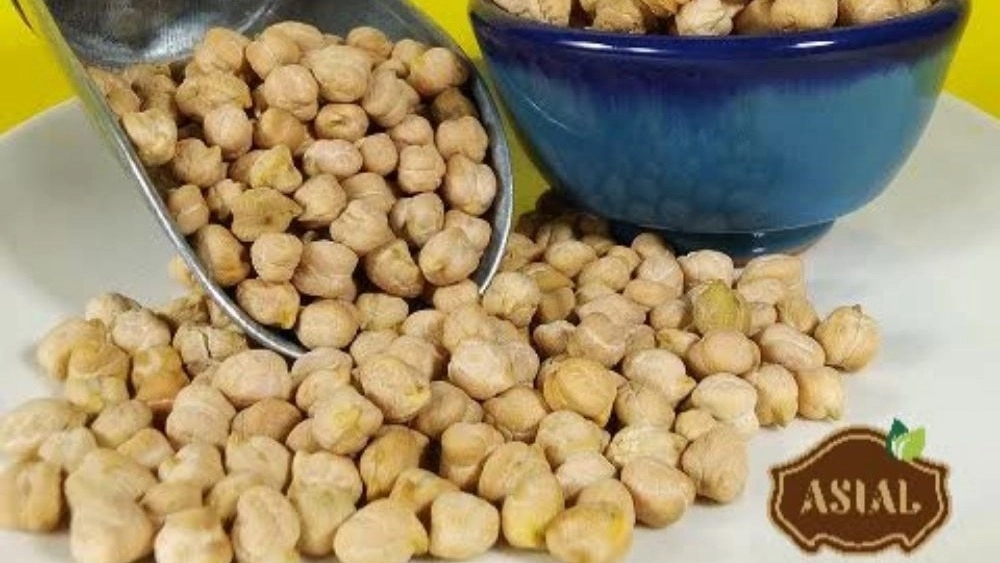
1- dry spring chickpea seeds with large white seeds - the choice of successful farmers
If you are looking for a high-yielding and resistant crop for your dry land in the spring, white large-grain dry spring pea seed is your best choice. This seed with high germination power, significant resistance to cold and excellent adaptation to the moderate and semi-arid climate of Iran has been the focus of professional farmers for many years.
This seed is not just an agricultural product; Rather, it is a careful investment in the future performance of your land. Our focus in Asial Beans Trading is to provide seeds with superior genetic characteristics that meet both the climatic needs of your region and bring the highest economic efficiency.
Time and method of sowing
Planting dry spring peas is usually from late winter (March) to late spring (April); When the risk of frost is reduced and the soil moisture is sufficient.
- Appropriate planting depth: about 5 to 7 cm
- Distances between seeds in the row: 5 to 8 cm
- Distance between rows about 30 to 50 cm
- Each hectare of dry land needs 80 to 100 kg of seeds on average.
In rainfed farms, attention to soil drainage and the use of traditional or mechanized planting methods play an important role in uniform plant growth.
🌿 The prominent features of dry spring chickpea seeds with large white seeds
- White, large and uniform seeds for easy harvesting
- High resistance to drought and cold
- High germination power and suitable growth in semi-light to medium soils
- Shorter growth period than autumn pea seeds and suitable for cold regions
- High performance and favorable marketability due to quick ripening, size and color of seeds
harvest time
Spring dry chickpea harvest usually takes place at the end of June to July. At this stage, the pods are dry and the seeds have reached the desired white color and hardness. Harvesting is done with a combine or by hand, and the final product is ready to be released to the market.
a) Advantage of rainfed farming:
The dry chickpea is adapted in such a way that it can grow and bear fruit with the minimum amount of moisture in the soil (caused by winter and early spring rains).
- Key advantage: No dependence on expensive irrigation systems, which provide the only option for economic cultivation in drought or water scarcity conditions. This seed shows better resistance against short-term drought stress.
b) Spring planting:
Spring (vs. fall) planting, spring dry pea seed is usually preferred in areas with very cold winters and severe frosts.
- The main difference: Spring peas reach their peak growth in spring after passing through the cold period, and its harvest time (July) is usually associated with a decrease in the intensity of rainfall, which helps to dry the product better and easier in the field and reduce the risk of fungal infections caused by rains at the end of the harvest season.
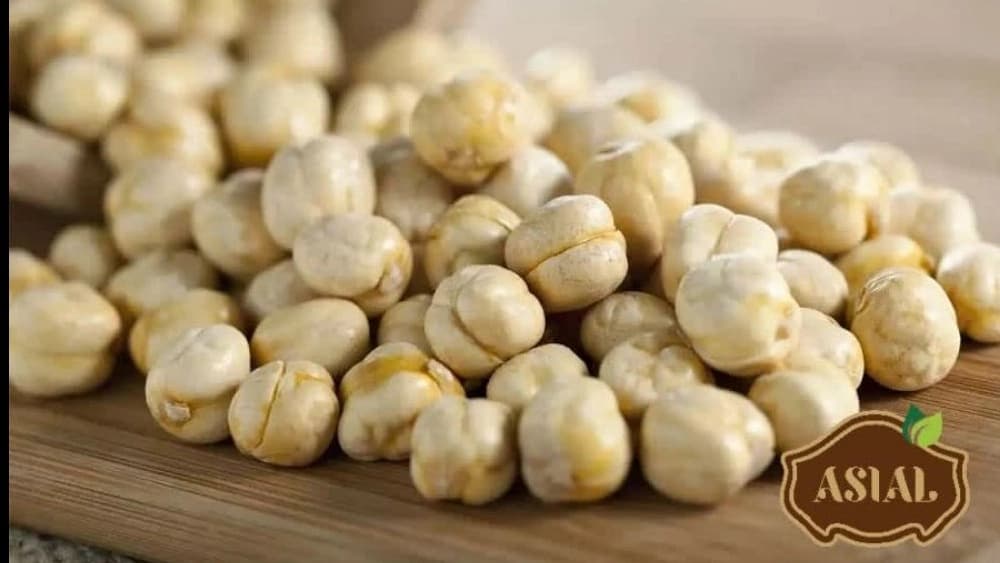
2. Granulation specifications (coarse white grain)
The characteristic "large white grain" is not just an appearance; Rather, it directly affects the economic value of the final product:
- Size (coarse seed): Peas with larger seeds, (usually in sizes 7, 8, and 9 mm) generally have a higher price in the bean market (both for edible use and for resupply). This size indicates the strong genetic potential and the fullness of the seed contents. Color (white): This color is characteristic of the species in demand in the domestic and export markets. White seeds are usually purer and require less time to cook, and are less prone to color contamination caused by diseases.
3. Agricultural considerations and soil nutrition
To maximize the potential of this seed, consider the following points:
- Crop rotation: It is recommended to grow peas in rotation with cereals (such as wheat or barley). Due to the fixation of nitrogen in the soil, peas help to improve the soil structure and reduce the need for chemical fertilizers in the next crop.
- Proper seeding: Since rainfed seeds depend on initial moisture for germination, planting at the right depth (not too shallow to dry out and not too deep to waste germination energy) is vital.
4. The advantage of buying from Asial Bean Trading
Asiaal Bean Trading guarantees that the supplied seeds:
- Certified: They have a health certificate and are free from seed-borne diseases.
- Sorted: In terms of size, weight and shape, they are sown and sorted so that only the best and strongest seeds are sent to you. you do.

Asyal Bean Trading, the largest supplier of chickpea seeds in the west of the country
This product is proudly supplied and supplied by Asiaal Beans Trading;
To be a reliable group in the field of providing all kinds of spring and autumn seeds and modified seeds and high-quality agricultural products in the west of the country and Kermanshah province and trusted by farmers all over Iran. With a brilliant history in providing pea, bean and lentil seeds, Asial Beans Trading guarantees the quality of the product and provides it to you with standard packaging and immediate delivery.
5_ The possibility of partial and wholesale purchase
Asiaal Beans Trading, understanding the different needs of farmers and marketers, has provided two flexible purchasing methods:
A) partial purchase (retail):
- Target: small farmers, gardeners, or people who buy for non-commercial purposes and for experimental purposes.
- Packaging: usually supplied in packages (30-40-50 kg).
- How to order: through direct contact or online sales system (as described on the website) with shipment coordination Immediately to the buyer's address.
b) bulk purchase (bulk):
- Target: Rural cooperatives, grain trading companies, sorting companies and farmers who have large plots of land.
- Packaging: In standard bags (usually 30 and 50 kg) and with tiered pricing.
- Wholesale advantages:
- Reduction in price Unit: The higher the purchase volume, the final price of each kilogram of seeds will be significantly reduced.
- Special discounts: For very large orders, special discounts and flexible payment terms are considered.
- Logistics coordination: Possibility of coordination to send via reliable carriers to ensure the health of seeds in long distances.
To receive a bulk price list and arrange for expert advice suitable for your land area and soil type, the best thing is to directly contact the sales team of Asiaal Bean Marketing so that they can provide you with the most accurate information.