
Adil chickpea seeds: a comprehensive guide to cultivation, harvesting, supply and wholesale
- The base is long and it can be harvested by campaign.
- It is resistant to drought stress and dehydration and pests such as lightning.
- It has a high yield compared to local peas.
First part: Introduction and key features of Adel chickpea variety
- Variety type: wet chickpea (depending on the type of cultivation in the region).
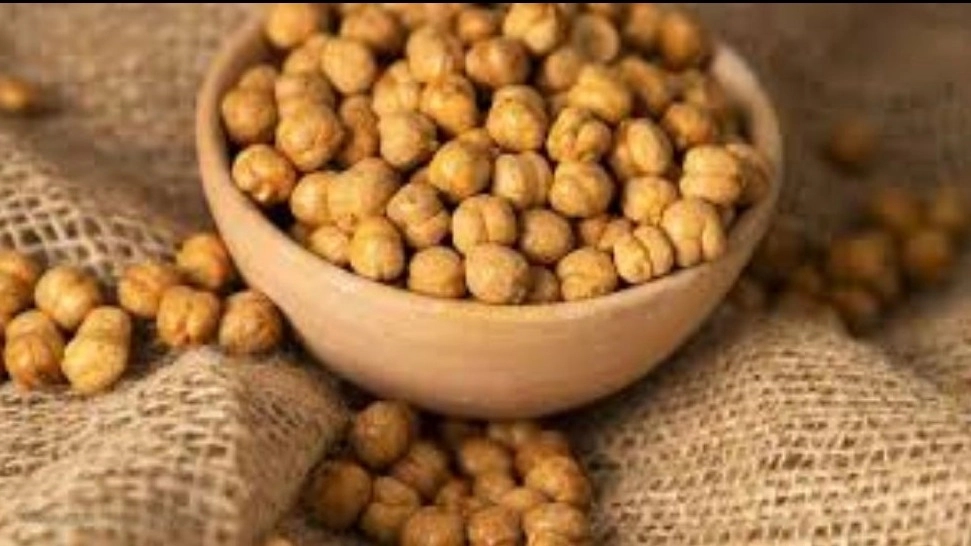
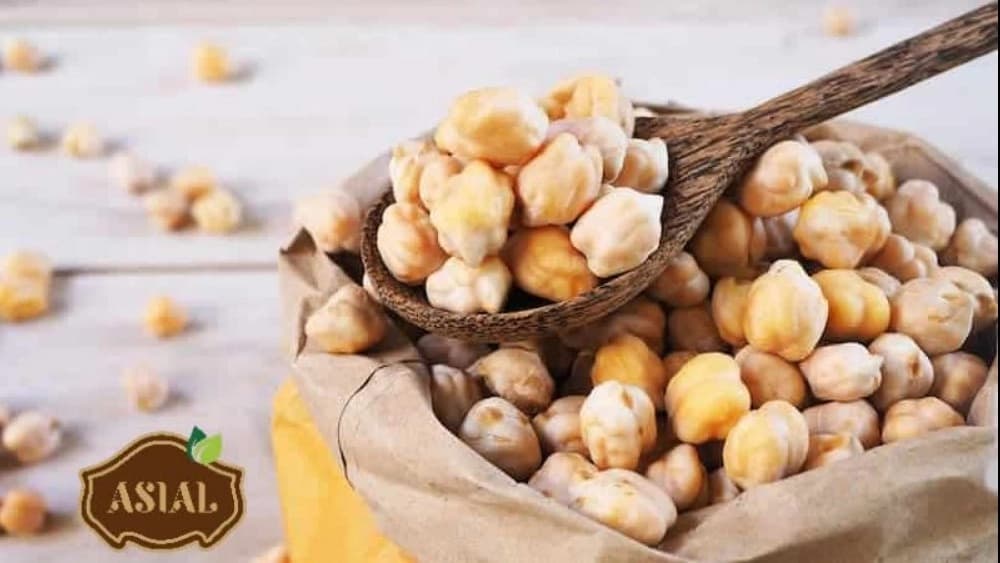
- Morphological characteristics: medium to large size, round shape, cream to light yellow cotyledon color.
- Key advantages:
- High compatibility with environmental stress (drought and cold).
- High yield potential (on average more than 2.5 tons per hectare in ideal conditions).
The second part: a comprehensive guide to cultivation (seedling and planting phase)
- Loam-clay soils with proper drainage are preferred.
- Appropriate plowing depth (3 to 5 cm) is essential for root penetration.
- Weed control is required before planting.
- Autumn (rainy) planting: The best time is from mid-November to late December (depending on the region and avoiding severe frosts early in the growing season). This method usually leads to better performance and reduced water consumption.
- Spring planting: late February to mid-April, suitable for areas with very cold winters.
- Before planting: The use of phosphorus and potash fertilizers (such as ammonium phosphate) based on the soil test is very vital.
- Virgin fertilizer (late vegetative growth): If needed and deficiency symptoms are observed, the use of nitrogen fertilizers in the early stages and potassium in the flowering stages can be useful. Note: Peas are nitrogen fixers, so excessive use of nitrogen is not recommended.
- Diseases: The most important challenges are crown and root rot (fungus) and rust. It is necessary to use systemic fungicides in the early stages.
- Pests: Aphids and mites in the early stages and pea beetle in the late stages. Preventive spraying is recommended in consultation with the regional expert. Note: Before any spraying, consult with Asial Commercial Technical Unit.
The third part: harvesting, processing and commercial aspects
- The best time to harvest is when the pods are completely dry and their color changes from yellow to brown.
- The ideal humidity for mechanical or manual harvesting is below 15% to avoid cracking and loss of quality.
- After harvesting, the seeds should be dried quickly in the shade so that the humidity reaches the standard level.
- Asiaal first-class seed supply: Asiaal Trading guarantees that the supplied seeds have a minimum standard purity and germinating power (above 85%).
3. Packaging and supply by Asial Bean Trading:
4. Wholesale sales and pricing:
- How to buy: Farmers and major buyers can directly contact the Asial commercial sales unit to get the daily seed price list and conclude a purchase contract for final products.
- Pricing: Pricing is determined based on the market day price, seed quality grade (purity and potency), and order volume. Buying directly from us means eliminating middlemen and getting the best competitive price.
Frequently asked questions (FAQ) of chickpea farmers
- Question 1 (planting time): When is the best time to plant Adel chickpeas?
- The best time for autumn planting is mid-November to late December; Fall planting has a higher yield due to winter moisture. Question 2 (Fertilizer): Does Adel pea need a lot of fertilizer?
- Pea is a nitrogen fixer; Focus on phosphorus and potash before planting. Excessive use of nitrogen causes vegetative growth and reduced productivity. Question 3 (Harvest): What is the ideal humidity for harvesting? The humidity of the cargo during harvesting should be below 15% to avoid cracking. What is it?
- Asiaal Trading guarantees that the supplied seeds have at least 85% potency and high purity.