
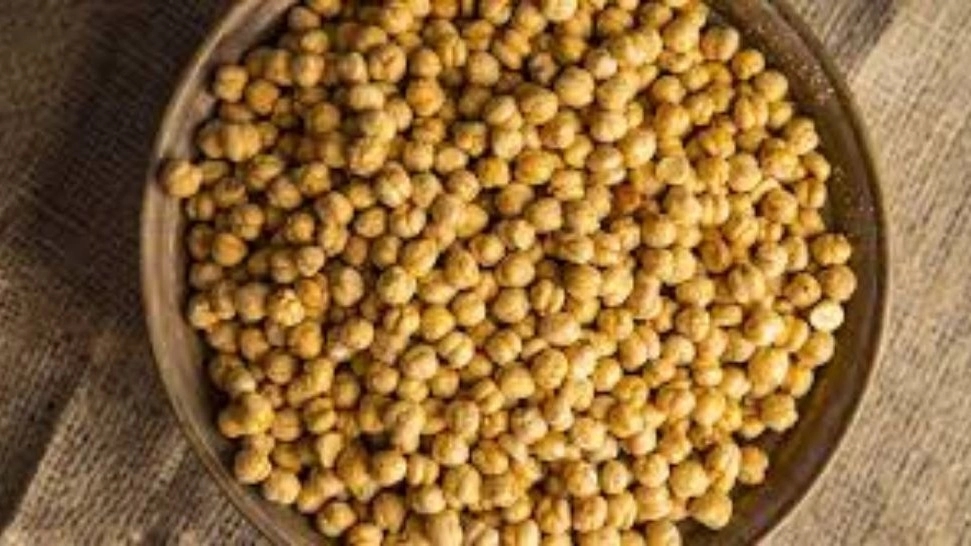
Introduction: The strategic importance of autumn peas
Cultivating chickpeas in the autumn season is considered one of the most strategic agricultural decisions in the semi-arid and temperate regions of Iran. This method provides significant advantages over spring cultivation, which directly affects the profitability and sustainability of production:
Autumn chickpea has different cultivars, each of these cultivars are cultivated according to different regions and weather conditions. These figures are:
- Reduction of water consumption: Maximum use of stored soil moisture due to autumn and winter rains greatly reduces the water requirement of the crop and makes it possible to successfully implement rainfed cultivation.
- Escape from heat stress: The period of autumn chickpea growth is adjusted so that flowering and seed filling reach their peak before the arrival of intense summer heat, which affects seed quality and Improves yield.
- Reduction of pest and disease pressures: By adjusting the timing, the crop will avoid many common spring pests (such as some virus-carrying insects).
- Role in crop rotation: As a legume, peas play a vital role in fixing atmospheric nitrogen in the soil and reducing the fertilizer requirement of the next crop (usually wheat and barley). gives.
Mention of an expert source: "This comprehensive guide has been prepared based on the latest agricultural data and the recommendations of the experts of Asiaal Bean Marketing so that you can have the best possible performance."
"Asiaal bean trading, as one of the main authorities in supplying modified and high-quality autumn chickpea seeds, guarantees the optimal performance of your farms. Relying on specialized knowledge and providing cultivars compatible with wet and dry conditions, Asial is your reliable partner in achieving the highest harvest efficiency."
Part 1: Autumn pea cultivars and ideal seed selection
Choosing the right variety is the cornerstone of success in autumn cultivation. Cultivars must have the ability to withstand the cold of winter and the stress of possible droughts in spring.
Improved chickpea: systemic resistance and yield potential
The new chickpea cultivars have been improved mainly on the basis of systemic resistance against soil diseases such as root rot (Aphanomyces) and fusarium wilt.
Long leg peas (emphasis on related varieties)
Many modern cultivars have longer stems than traditional cultivars. These features have advantages and disadvantages:
- Plant density: Planting density should be adjusted slightly to prevent dormancy and increase the compaction of the plant.
- Need for support (in windy conditions): In windy areas, although peas do not inherently need guardians, the long stem can be more vulnerable to strong winds. It is recommended to plan to maintain the cover of plant residues on the soil surface as a natural support.
- Facilitation of mechanized operations: The greater height of the stem facilitates mechanized harvesting at the end of the season and reduces the amount of product losses during harvesting.
dry peas (drought resistance)
Suitable figures for rainfed cultivation should have certain morphological characteristics to be able to use the limited moisture of winter and early spring:
- Deep rooting: The ability of roots to penetrate deeper to access stable soil moisture.
- Shorter growing season: To ensure that the seed filling phase is completed before the onset of severe summer drought.
- Specific recommendations: In areas with low rainfall, the amount of seed used should be carefully adjusted to reduce competition between plants for limited moisture uptake. find.
Part 2: A detailed guide to timing planting and harvesting
Timing is the most critical factor in autumn cultivation; Planting too early leads to frost damage and planting too late leads to the crop reaching the peak of heat.
Planting time: golden window
- Ideal temperature range: The best planting time is when the soil temperature at a depth of 5 cm has reached below 20°C and there is a possibility of good rains in late autumn. This period is usually between mid-November and early January in most areas of Iran's autumn chickpea cultivation. Of course, the time of autumn chickpea cultivation can be different in different regions. The importance of the safe window: Premature planting (e.g. September): increased risk of damage due to heat stress in the early vegetative stages and increased susceptibility to some diseases. Late planting (late January): the risk of freezing of young seedlings and the failure of the crop to reach physiological maturity before the heat of spring.
Planting technical tips
Water paraculture (supplementary moisture supply) Rainfed cultivation (relying on rain) Optimum planting depth5 to 7 cm 7 to 10 cm (to access moisture) Row spacing30 to 40 cm 40 to 50 cmSeed density (typical) 100 to 120 kg/ha 70 to 90 kg/ha
Time and method of withdrawal
- Physiological indicators of ripening:
- Changing the color of the pod: When the pods change from dark green to brownish yellow and are no longer hard, they become bilobed under the teeth.
- Percentage of seed moisture: Seed moisture is ideal in the range of 14 to 16%. Harvesting at higher humidity can increase the risk of fungi, and harvesting at very low humidity will cause the seeds to break.
- Recommendation for mechanized harvesting: If harvesting is mechanized, the timing of harvesting should be such that the weather conditions are dry at the same time as harvesting to reduce crop loss due to high humidity and brittle pods.
{For more information, you can contact Asial's beans business consulting department}
Section 3: Specialized agricultural management (from soil to crop)
Correct management after planting stabilizes yield potential.
Soil preparation
- Improvement of soil texture: Peas perform well in well-drained soils. Heavy and clayey soils that are prone to waterlogging in winter should be amended with organic matter. Suitable pH: The optimum pH range for rhizobium bacteria activity is 6 to 7.5. Type of plowing: In fall cultivation, carting or shallow fall plowing (after previous harvest) is preferable, unless there is little plant residue. Deep plowing should be delayed as much as possible to conserve winter moisture.
Feeding and fertilization
Pea meets its main nitrogen requirement by biofixation, but early fertilization is necessary for establishment.
- Primary requirement: Application of phosphorus (as a rooting stimulator) and potassium (as a stress regulator) is necessary at the time of planting.
- Phosphorus: Depending on the soil test, usually 50 to 80 kg of phosphate (P2O5 equivalent) per hectare.
- Potassium: If there is a deficiency, 30 to 50 kg of potassium (K2O) per hectare hectare is recommended.
- Nitrogen: Consumption of up to 30 kg of urea at the time of planting can help better establishment in the early stages, but excess leads to a sharp increase in vegetative growth and reduced flowering.
Pest and disease management
The most important threats in autumn cultivation include soil-borne fungal diseases and some sucking pests.
- Fungal diseases (ring rot and Fusarium):
- Preventive method: Seed disinfection with systemic fungicides (such as carbendazim or captan) before planting.
- Agronomic method: Strict implementation of crop rotation (not planting legumes in two consecutive years in the same plot land).
- Weed management: Control of narrowleaf weeds at an early stage (before planting or immediately after with appropriate pre-emergent herbicides) is critical because competition is very destructive under limited moisture conditions.
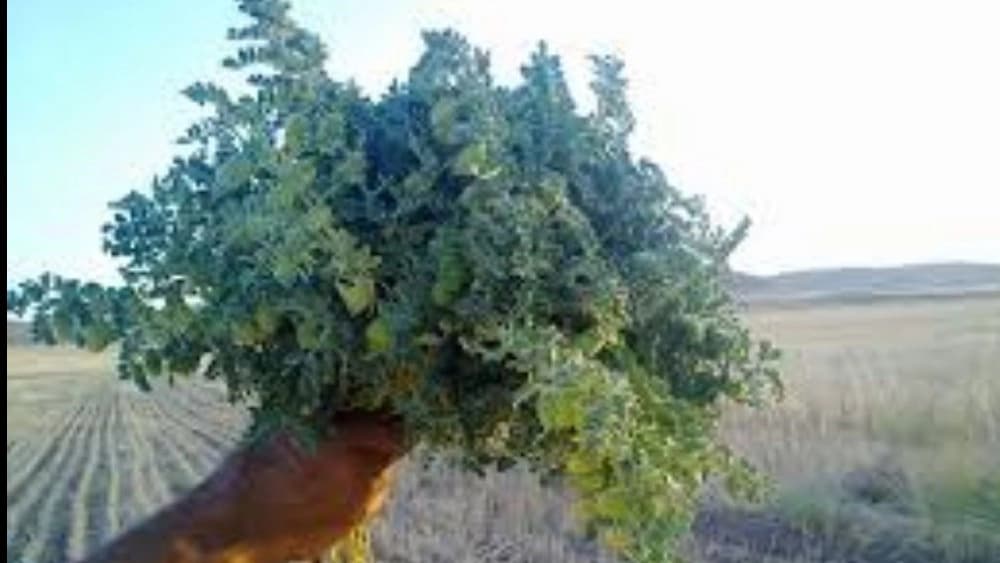
Section 4: Frequently asked questions (FAQ) of specialized farmers
Question 1: When is the best time to inoculate rhizobium bacteria in autumn planting?
Expert answer: Inoculation should be done right before planting and a few hours before that. Inoculation should be done in the form of seed dressing using stickers. Exposing the inoculated seed to direct sunlight or high humidity for more than a few hours greatly reduces the effectiveness of the bacterial strain.
Question 2: Is there a risk in using pre-emergent herbicides in autumn rainfed peas?
Expert Answer: Yes, there is a risk, because in rainfed cultivation, water absorption by the seed for herbicide activation as well as early plant growth is completely dependent on short-term autumn rainfall. If there is not enough rainfall after using a pre-emergence herbicide (such as pyramidalin or diethylamine), the herbicide remains in the upper layer of the soil and can cause growth to stop or even burn the chickpea seedling. Use should be done carefully and based on accurate rainfall forecast.
Question 3: What is the difference in the economic performance of rainfed cultivars compared to irrigated cultivars in normal conditions of region X?
Expert answer: Under normal conditions (average annual rainfall between 300 and 450 mm), the economic performance of rainfed cultivars is on average 40 to 60% of the yield of irrigated cultivars. However, due to the elimination of major irrigation costs (energy, system maintenance), the net profit margin in rainfed agriculture often remains competitive, provided the selling price of the final product is reasonable.
Question 4: What is the maximum storage time for chickpea seeds purchased from Asial Beans Trading?
Expert answer: Pea seeds, if stored in ideal conditions (temperature below 15°C, relative humidity below 50% and away from direct light), can maintain their germination power for 2 years. However, Asiaal Bean Trading recommends that to ensure the highest percentage of germination (Viability), the purchased seed should be used in the growing season after purchase.
Conclusion: The final checklist for success in autumn planting
- Selection of seeds: Use of resistant and approved cultivars according to rainfed or irrigated cultivation of the area.
- Timing: Planting in the appropriate temperature range (below 20°C soil) and avoiding early planting.
- Soil preparation: Ensuring proper drainage and balanced pH for rhizobium activity.
- Nutrition: focus on phosphorus and potassium at the planting stage; Limited use of nitrogen.
- Risk management: Disinfection of seeds and compliance with crop rotation to control soil fungal diseases.